|
||||
|
|
Alex has spent a lifetime in the sewing industry and is considered one of the foremost experts of pioneering machines and their inventors. He has written extensively for trade magazines, radio, television, books and publications world wide. Over the last two decades Alex has been painstakingly building this website to encourage enthusiasts around around the Globe.
See Alex Askaroff demonstrating antique sewing machines on YouTube http://www.youtube.com/watch?v=8-NVWFkm0sA&list=UL
OUT NOW!
Most of us know the name Singer but few are aware of
his amazing life story, his rags to riches journey from a little runaway
to one of the richest men of his age. The story of Isaac Merritt Singer
will blow your mind, his wives and lovers his castles and palaces all
built on the back of one of the greatest inventions of the 19th century.
For the first time the most complete story of a forgotten giant is
brought to you by Alex Askaroff.
|
|||
|
The Prima Donna Sewing Machine
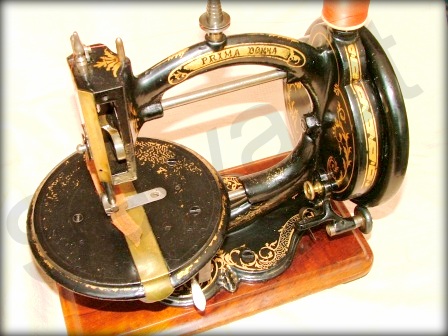
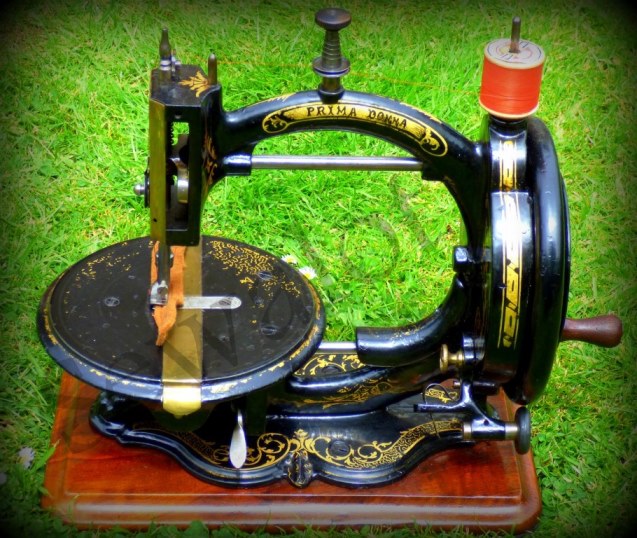
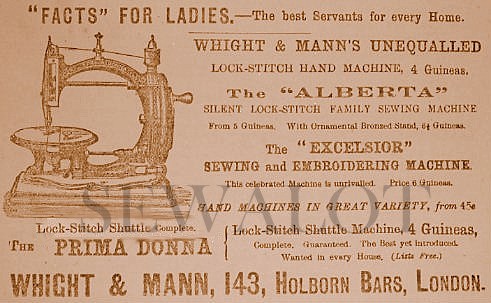
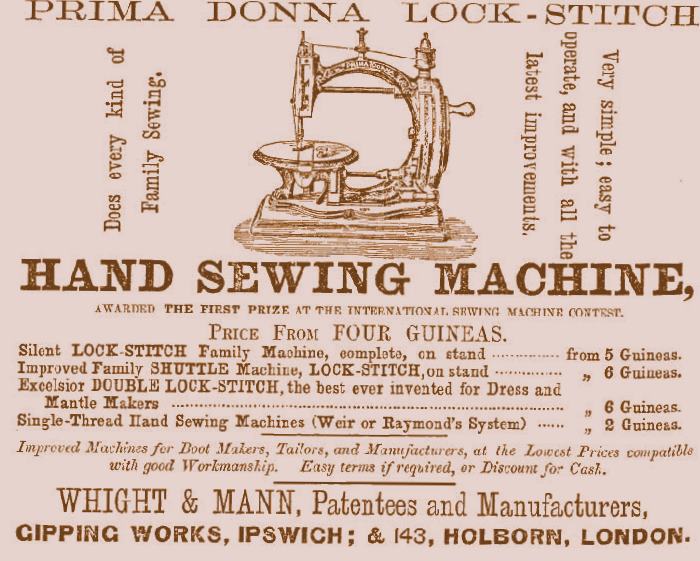
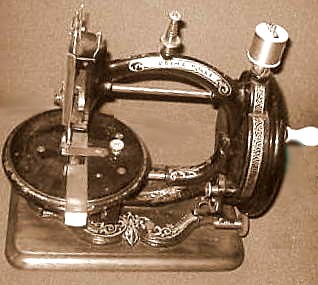
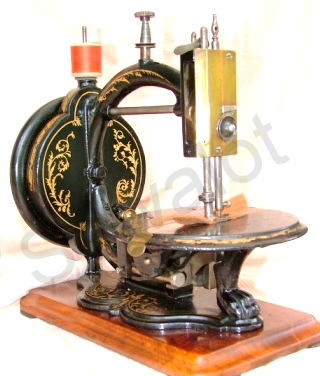
The Prima Donna circa 1870 See Alex Askaroff on Youtube http://www.youtube.com/watch?v=3mJYS44Vc8c&list=UL The Prima Donna sewing machine is one of the rare beauties that we collectors quietly drool over. Few exist today, perhaps as few as 20 are known to survive. I only have one in my Sewalot Collection. I missed one at Christies machine auction in the 1990's by a whisker. Please be aware that there is also a Prima Donna sewing machine from the 1950's but what were are talking about here is the Victorian machine. Little is known about the company that made the Prima Donna. Let's see what we do know.
The Prima Donna was built by a a Suffolk engineering firm based in the busy trading port of Ipswich. As a kid my uncle would take me around Ipswich filling up cigarette and bubble gum machines for which he had the licence. Millions of old pennies and coins would be collected and taken to the bank for changing into pound notes, then to the pub where I would quietly sit sipping Tizer and eating a packet of crisps sprinkled with the blue sachets of salt that came in every pack. On Saturday afternoons we would go to the wrestling matches and watch Big Daddy and Giant Haystack beat each other to pulp with much applause and cheering from the old ladies that had brought their knitting! Now, enough reminiscing and back to our sewing machine.
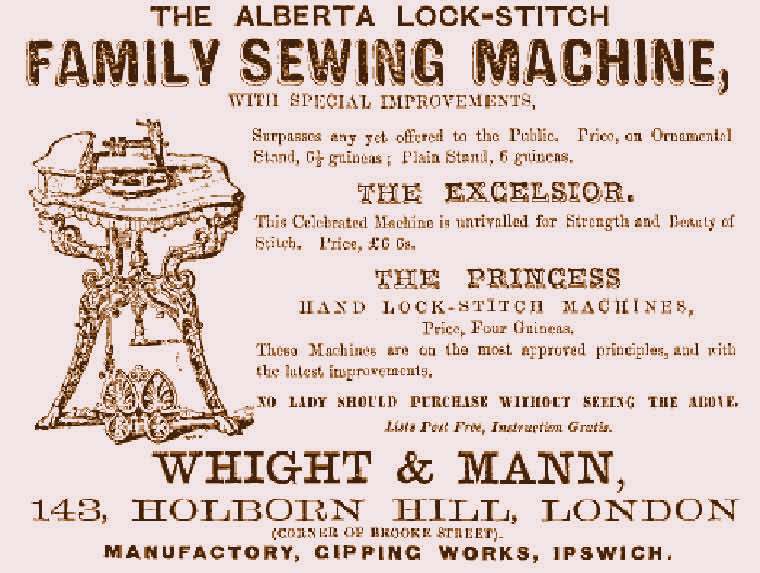
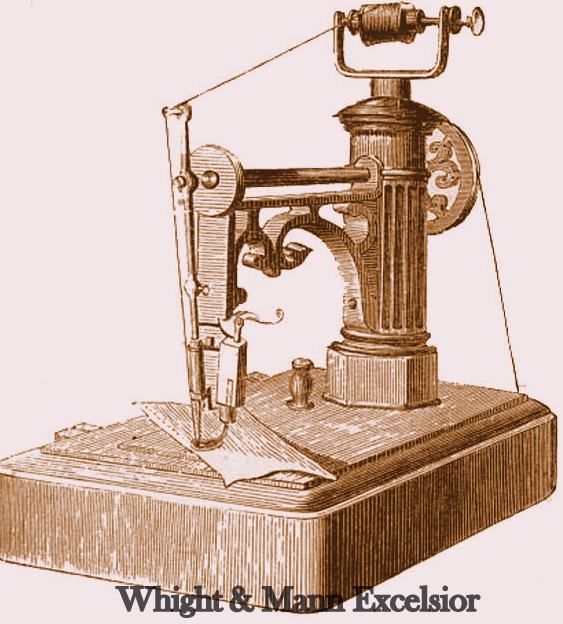
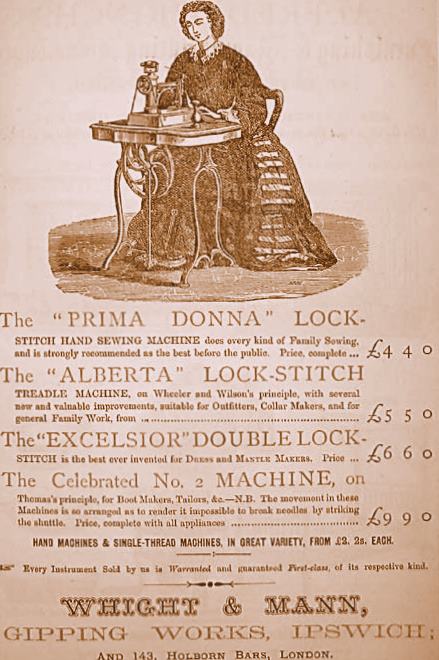
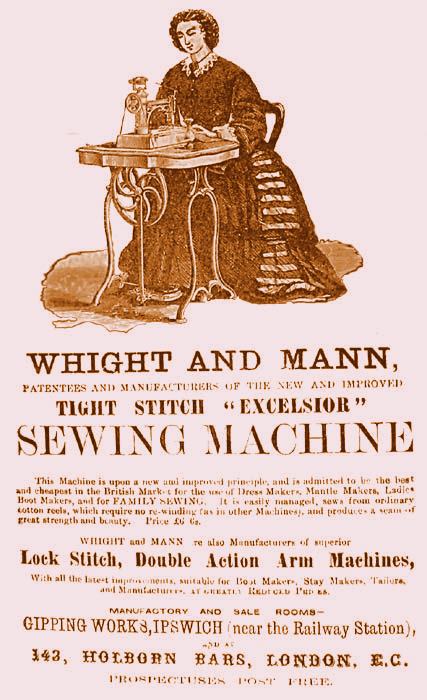
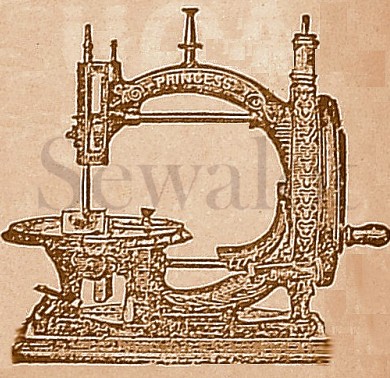
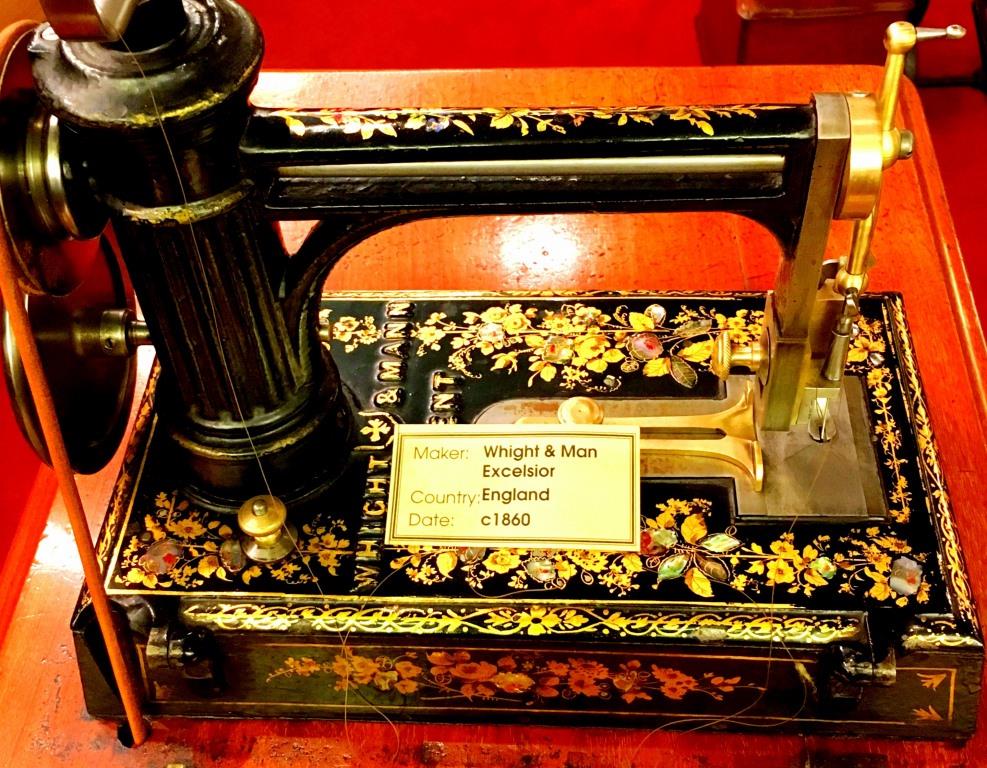
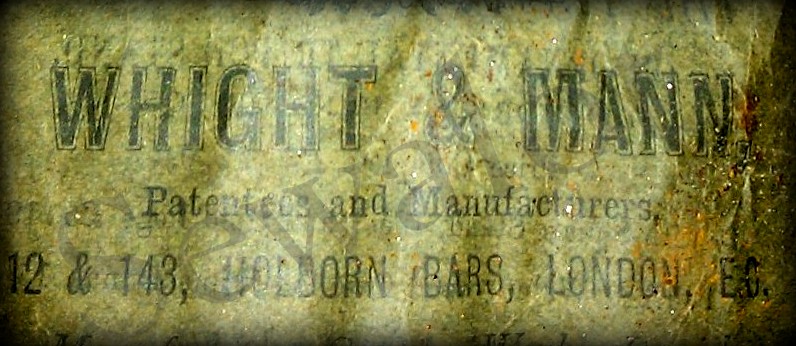
The firm that built the stunning Prima Donna were Whight & Mann. George or Geo Whight may have started as early as 1859 or 1860 making, repairing and importing sewing machines. Whight & Mann were manufactures, importers and agents. They imported several machines from German companies. The business was based near one of Britain's busiest docks and by the railway, they were in the perfect place for import and trade. Whight & Mann Patentees & Manufacturers The Gipping Foundry & Works were at New Station Road, Ipswich 12 & 143 Holborn Bars, London At the Gipping Works they also had showrooms and displays of their machines. The first model which carried the Whight & Mann label was the Excelsior sold between 1862 and 1877. In 1865 came the Star machine and then in the Alberta sold between 1868 and 1876. The Princess sold between 1869 and 1871 but there is a little more interesting info on the Princess at the bottom of this page.
In 1869 out came the machine we are concerned with. The Prima Donna. It was sold from 1869 until 1876. It may have been superseded by a New Family Prima Donna similar to the Singer 12k, I have never seen one so I cannot be sure of this.
In 1875 the Whight & Mann Little Darling sewing machine was born. 1876 was a good year for Whight & Mann winning there only gold medal at the International Manchester Exhibition. Charles Raymond of Canada secured Whight & Mann of Holborn, London, as his London agents and sold through them his chain-stitch. Whight & Mann had sold the beautiful Prima Donna sewing machine. He sold his standard Raymond chain-stitch machine to Whight & Mann infuriating Weir who was just around the corner.
The
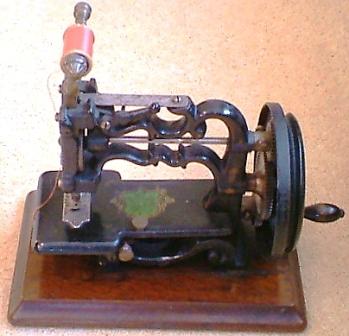
tight-stitch Excelsior, perfect for embroidery and darning. Typical of
the American Pillar/ Hydrant machines of the 1860's Geo Whight Excelsior sewing machine
During their period of expansion showrooms and retail offices were set up in London. These were at 122 Holborn Hill, London from 1862 to1863. From 1864 to 1876 they moved to 143 Holborn-Bars, London.And then finally from 1876 to 1877 they were at 12 Holborn-Bars, London.
The best servant
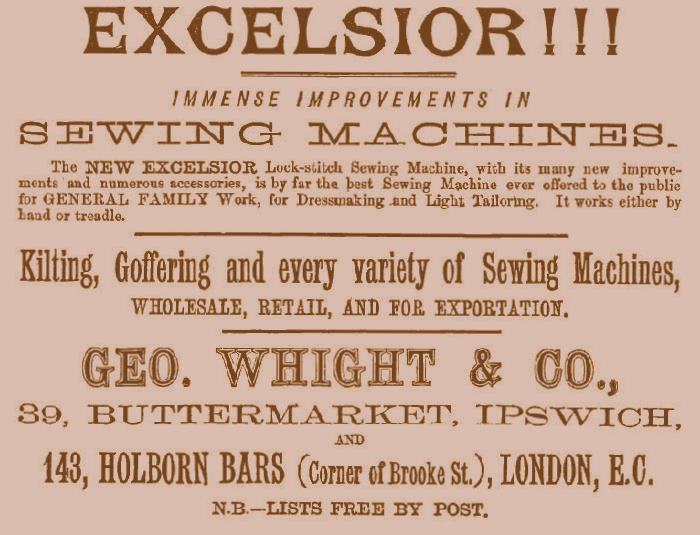
for every home! In 1878 the business became George Whight & Co up until its final closure around 1884. George worked from 39 The Buttermarket, Ipswich. During this time they kept the Prima Donna and the New Excelsior Supplied by the German company Junker & Ruh also the Columbia Supplied by Junker & Ruh and the Duchess which was a small chain stitch to compete with the Willcox & Gibbs machines.
Interestingly just up the road from Ipswich, in Attleborough, Norfolk was an iron mongers, Horace C. Johnson, who sold an identical machine to the Prima Donna for several years from 1879 to 1884. It is a possibility that as Whight's company was failing he sought to sell his machines through other outlets, agents and wholesalers. Like the Jones Sewing Machine Company who often put different makers names on their own sewing machines.
Whight might have done the same with is Prima Donna machine. It was a popular lockstitch and an easy product to sell. Very similar to the Little Wanzer from Hamilton in Canada. The Little Wanzer sold over a million models.
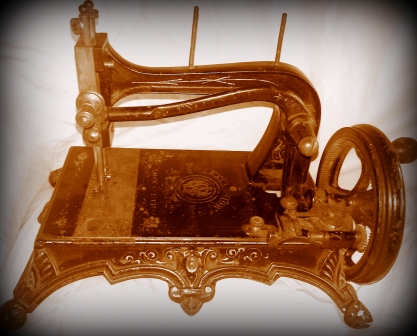
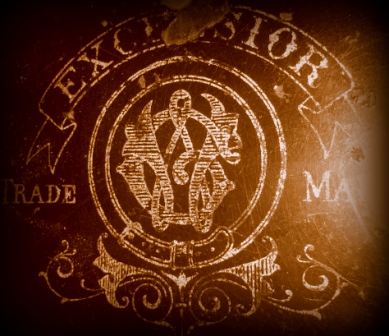
Interestingly I have just come across an Excelsior sewing machine clearly marked Geo Whight & Co Holborn Bars, London. It even has its own trademark and may have been George Whight continuing under his own name selling bought in sewing machines from Newton Wilson & Co.
THE PRIMA DONNA LOCK-STITCH HAND SEWING MACHINE
I believe that around 1884 George Whight retired from the sewing world though some say he continued until 1888.
Coxeter & Son
Notice the single paw foot supporting the plate and the pretty scrolled base.
The Whight & Mann
Excelsior OUT NOW!
Most of us know the name Singer but few are aware of his amazing life story, his rags to riches journey from a little runaway to one of the richest men of his age. The story of Isaac Merritt Singer will blow your mind, his wives and lovers his castles and palaces all built on the back of one of the greatest inventions of the 19th century. For the first time the most complete story of a forgotten giant is brought to you by Alex Askaroff. News Flash! Alex's books are now all available to download or buy as paperback on Amazon worldwide.
"This
may just be the best book I've ever read."
"My five grandchildren are
reading this book aloud to each other from my Kindle every Sunday.
The way it's written you can just imagine walking
beside him seeing the things he does. News Flash! Alex's books are now all available to download or buy as paperback on Amazon worldwide.
|
||||
|
Well that's it, not a lot for
Prima Donna but all I know so far. I do hope you enjoyed my work.
I spend countless hours researching and writing these pages and I love to hear from
people so drop me a line and let me know what you thought: alexsussex@aol.com.
Also if you have any information to add I would love to put it on my
site.
Fancy a funny read: Ena Wilf & The One-Armed Machinist Sewalot Home page
|
||||
|
|
|
|||
CONTACT: alexsussex@aol.com Copyright © |
||||